
Brutalist Metal Sculptures
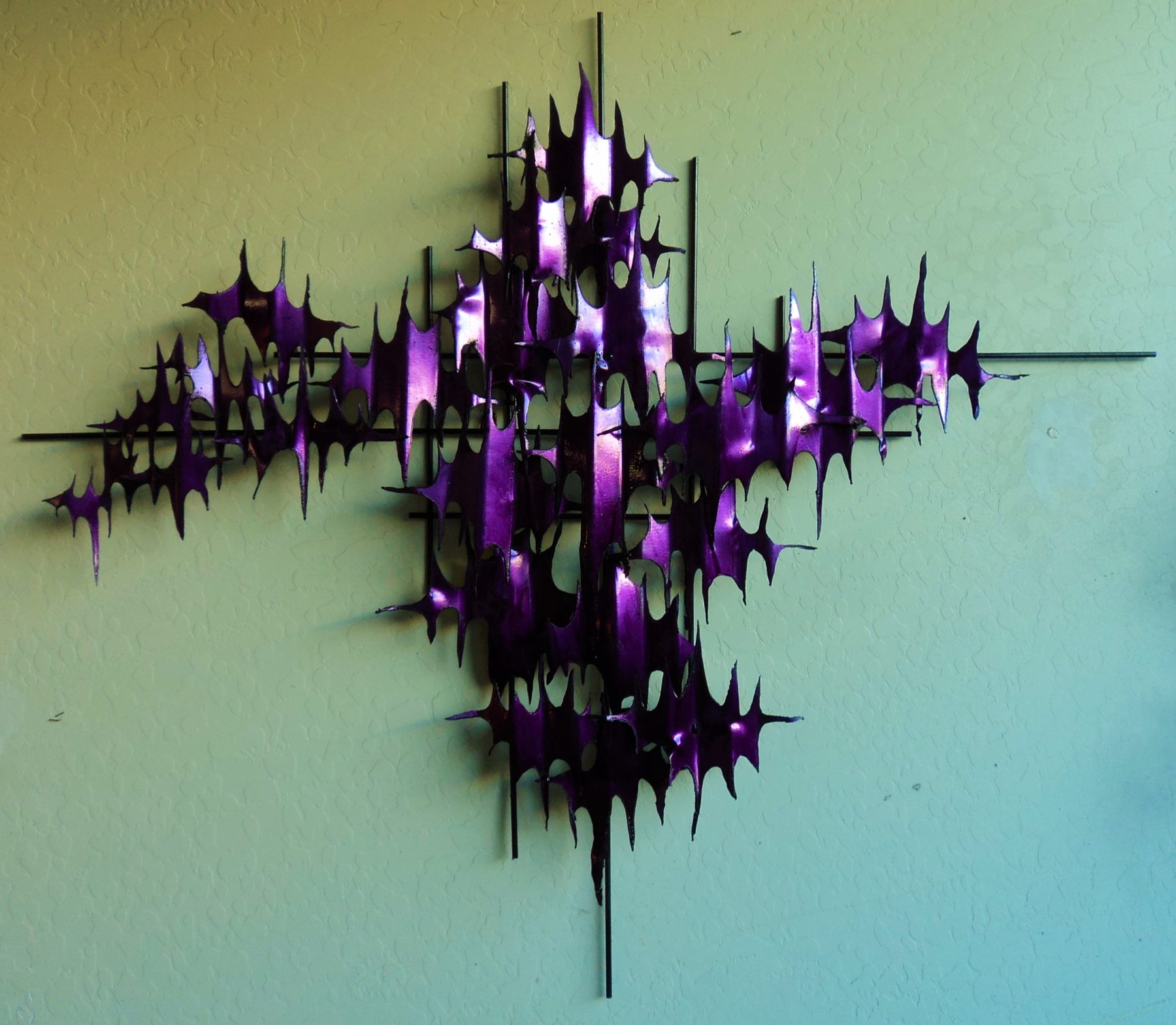
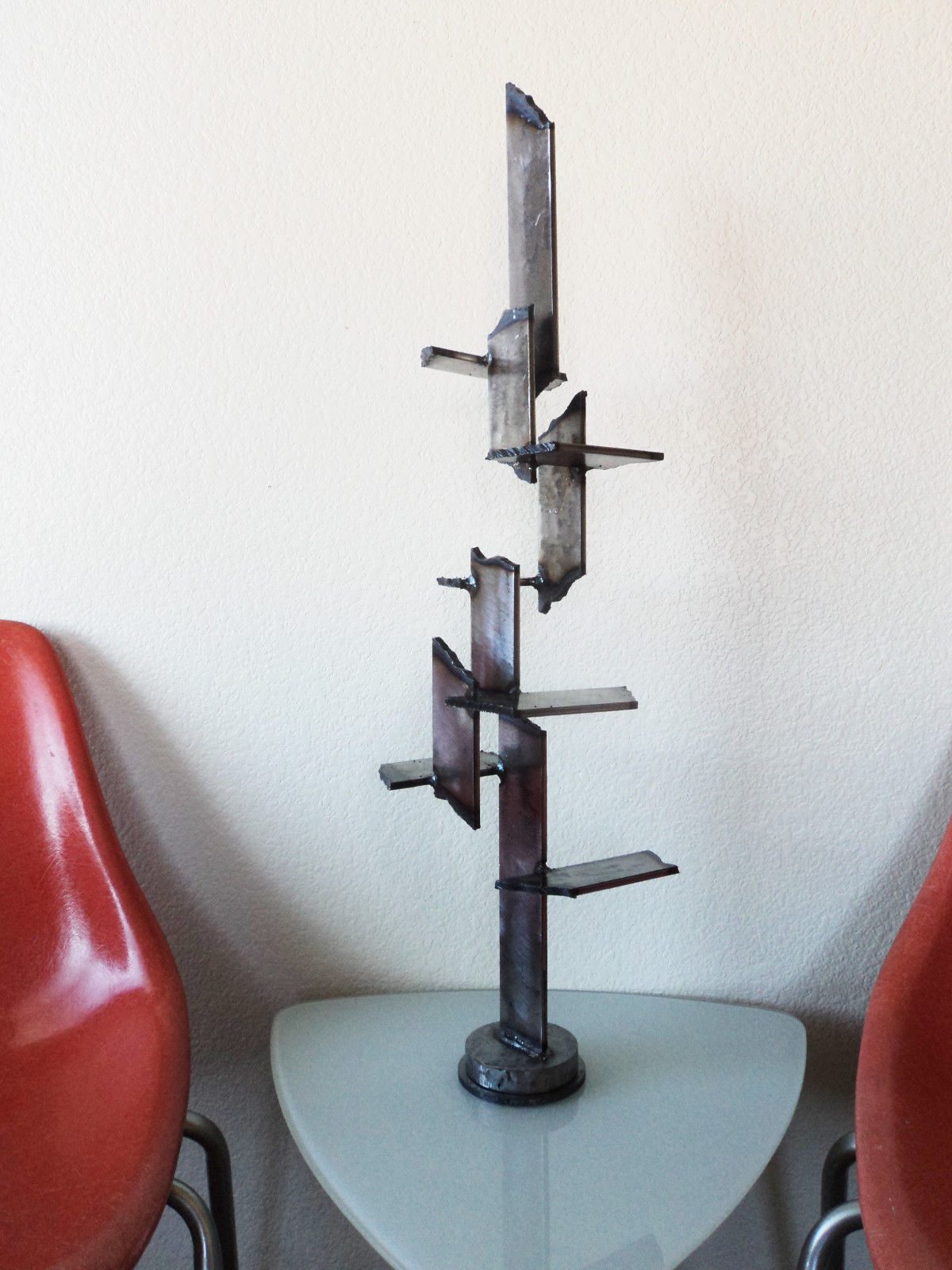
Brutalist metal sculpture by Corey Ellis is raw, deliberate, and unembellished. The work celebrates the material - heavy steel, masonry-nail fields, oxidation, visible welds - and refuses to dress itself up for the room.
What this work is
Brutalist pieces sit at the intersection of architecture and metalwork. Surfaces are repeated and dense. Oxidation is part of the design rather than a flaw to hide. The work is meant to read as a built object, not a decorative one.
Brutalist sculpture grew up alongside brutalist architecture in the mid-20th century - raw concrete buildings, exposed structure, materials shown rather than dressed. The sculpture answered with welded steel, hammered bronze, and surfaces that admitted how they were made.
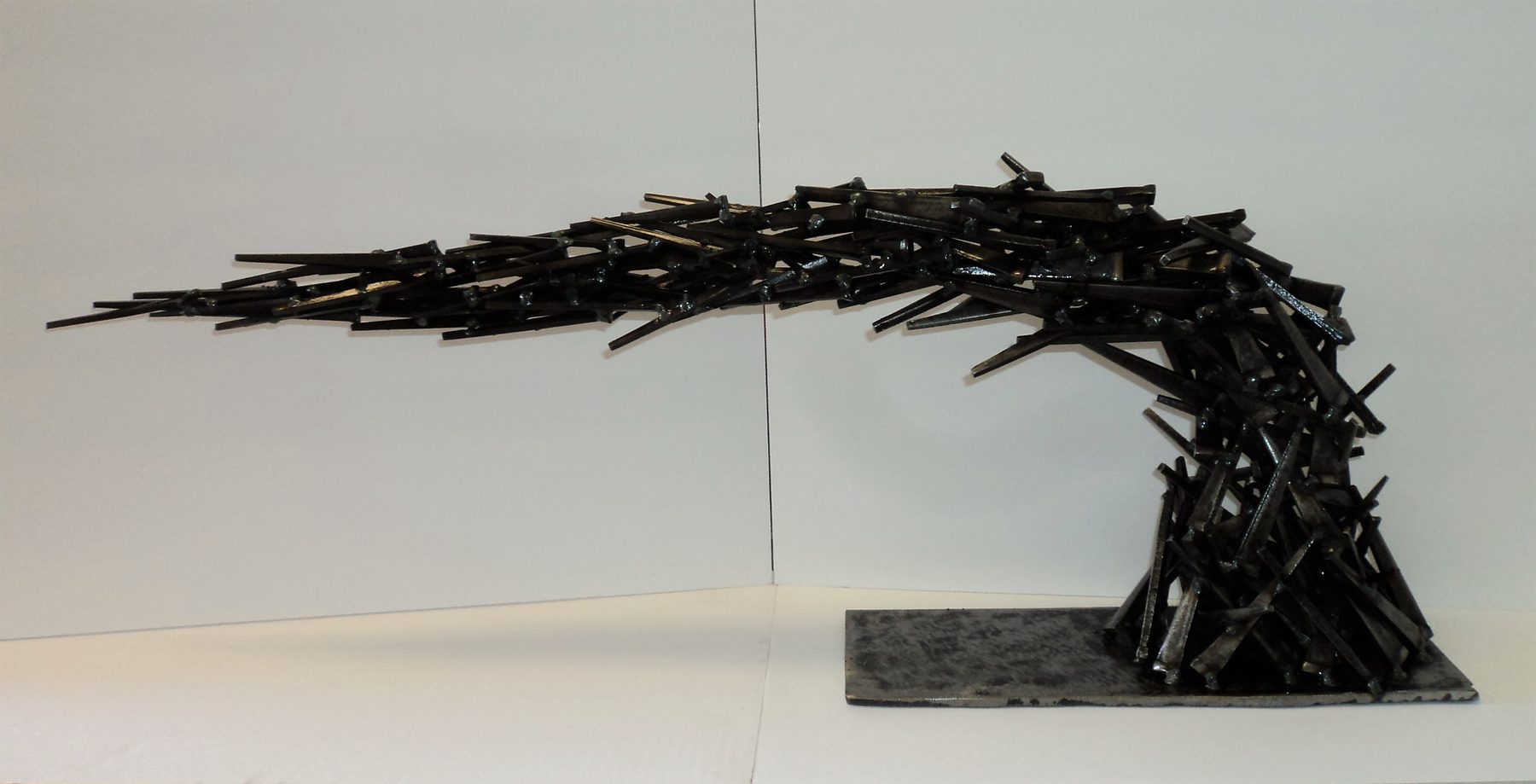
Corey's brutalist work continues that thinking with masonry-nail fields and welded steel panels. The pieces are heavy in fact and in feel; the surface is meant to be read, not smoothed over.
What makes a Corey Ellis piece in this style
- Masonry-nail fields welded into dense, repeated patterns.
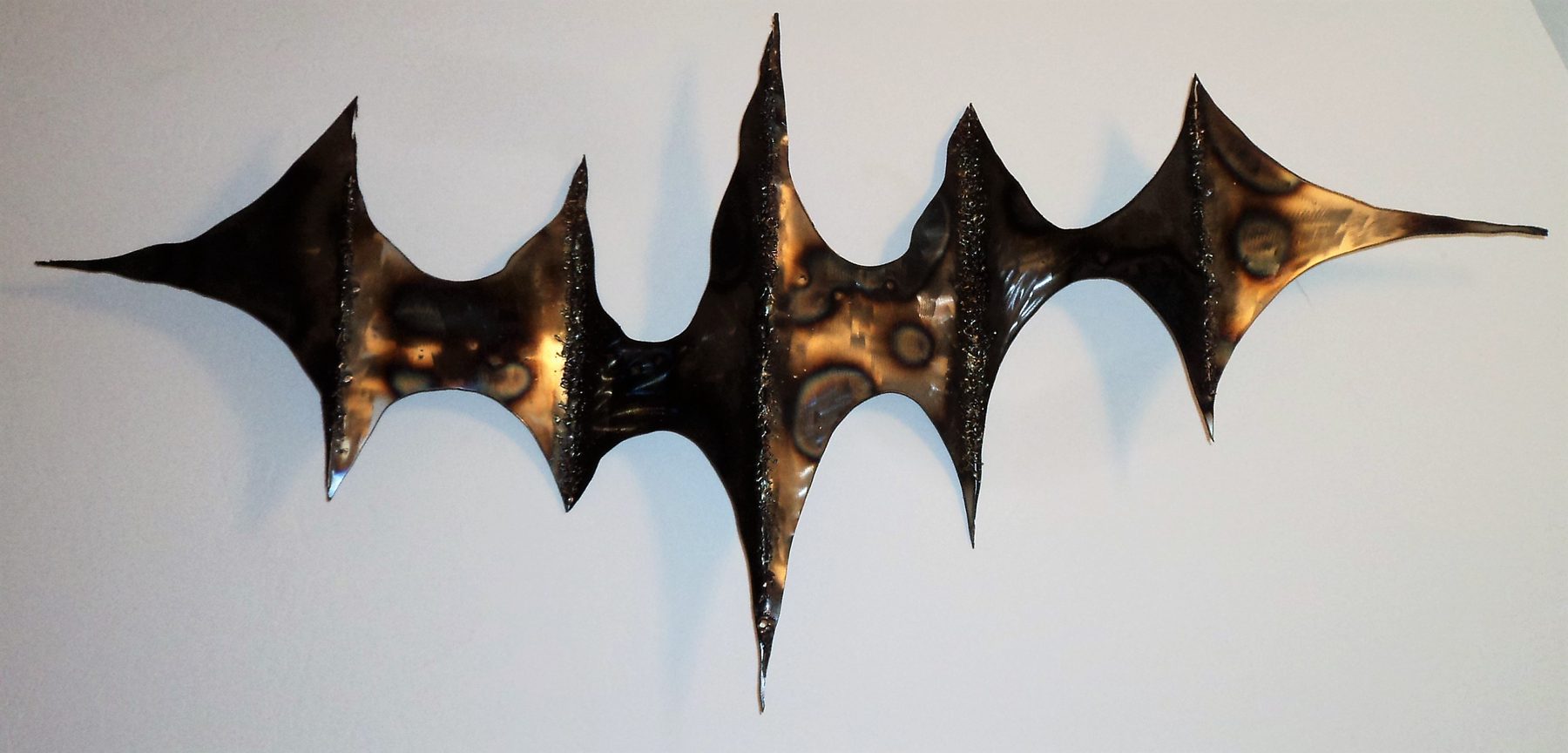
- Oxidized and patinated surfaces sealed at the chosen state.
- Visible welds left as part of the composition.
- Heavy steel panels with structural depth off the wall.
What the work is built from
Welded into dense brutalist surface fields.
Structural body for brutalist wall panels.
Used selectively for tonal depth across the surface.
Hand-applied finish locked at the intended state.
Who this style is for
- Collectors of brutalist architecture and design.
- Modern homes built in concrete, steel, or rough plaster.
- Restaurants, bars, and commercial interiors with an industrial vocabulary.
- Galleries and curators programming heavy material work.
Spaces this style anchors
- Concrete and steel residences and lofts.
- Restaurants and bars with industrial or material-forward design.
- Galleries and curated commercial interiors.
- Hospitality interiors playing brutalist against soft furniture.
From the studio
Sizing, finish, and how to brief the studio
Brutalist wall panels are commonly commissioned between 36 and 96 inches across, with weight and mounting designed per wall. Larger architectural installs are quoted with structural engineering input where required.
Send wall type (drywall, concrete, masonry), wall dimensions, and any structural or engineering documentation if the wall is non-standard. Brutalist commissions almost always need a short conversation about how the piece will be carried by the building.
Frequently asked
- What is brutalist sculpture?
- Work that prioritizes raw material, heavy surface, and structural honesty - visible welds, oxidation, repeated forms (like masonry-nail fields), and a refusal to soften the metal for the room.
- Does brutalist work fit refined interiors?
- Often surprisingly well. The contrast between a brutalist piece and a refined room is part of why collectors place it there.
- Will the surface keep oxidizing after install?
- Each piece is sealed at the level of patina Corey commits to. The intended surface is locked in at delivery and will not continue to oxidize uncontrolled.
- How heavy are brutalist pieces?
- Most wall panels run 40 to 200 pounds depending on scale and nail density. Mounting hardware and wall reinforcement notes are provided per piece.
- Can brutalist commissions scale to architectural walls?
- Yes. Masonry-nail fields and welded steel panels both scale to multi-story interior walls when the building can carry the weight.
Related work and pages
Start a Custom Artwork Inquiry
Share dimensions, space, and any imagery that inspires the project. Corey reviews every inquiry personally.