
Mid Century Metal Wall Art and MCM Sculpture
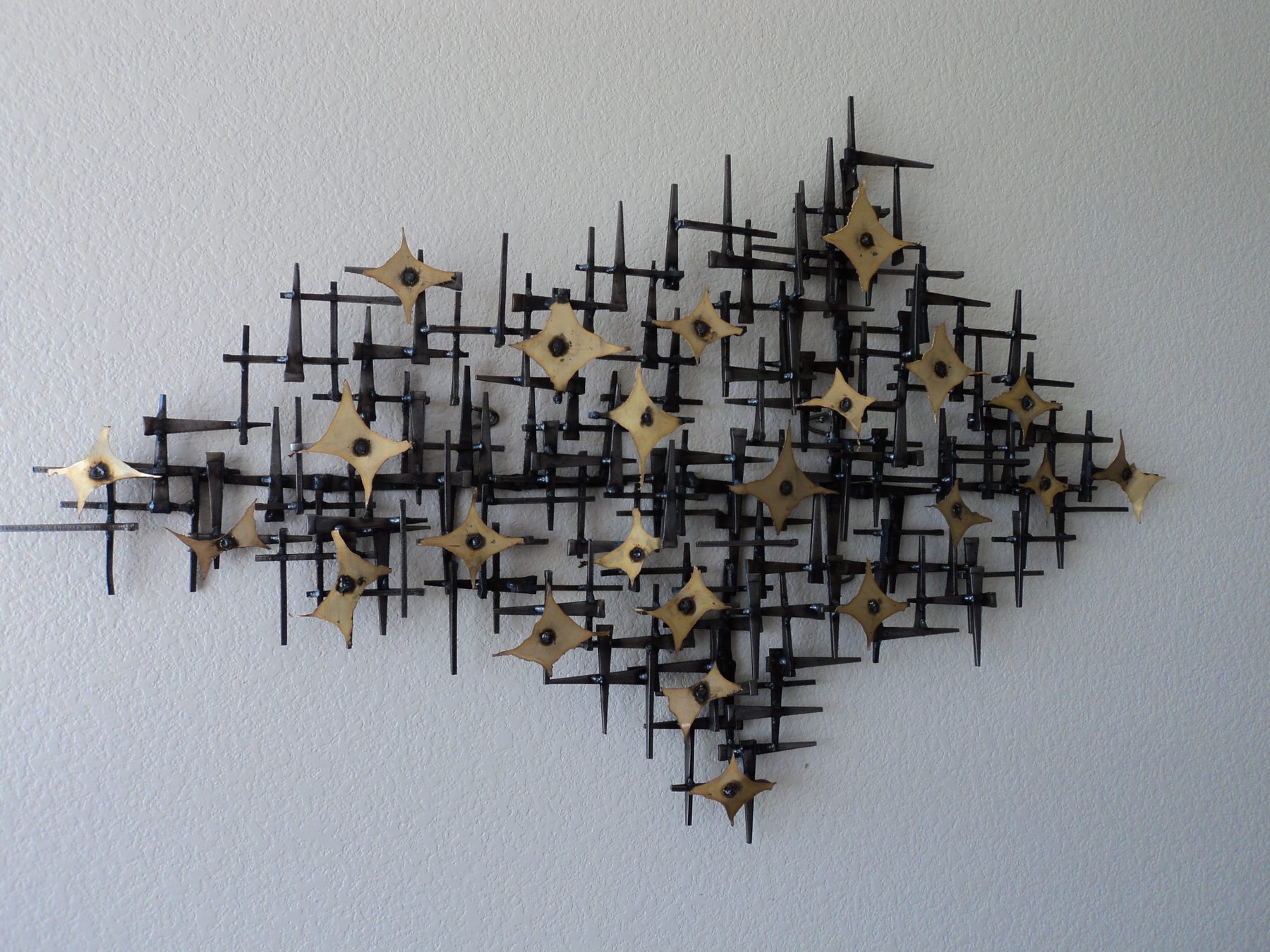
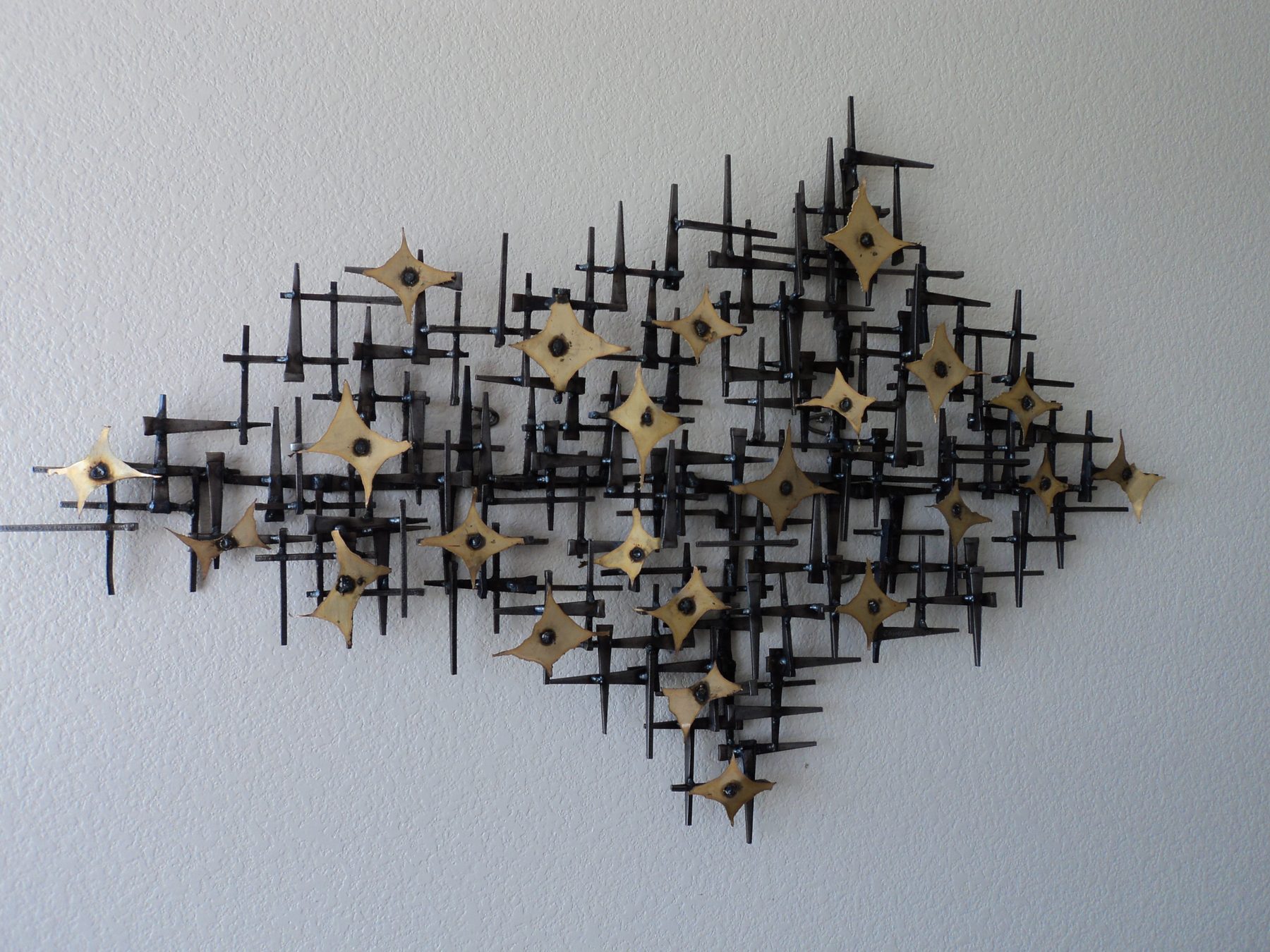
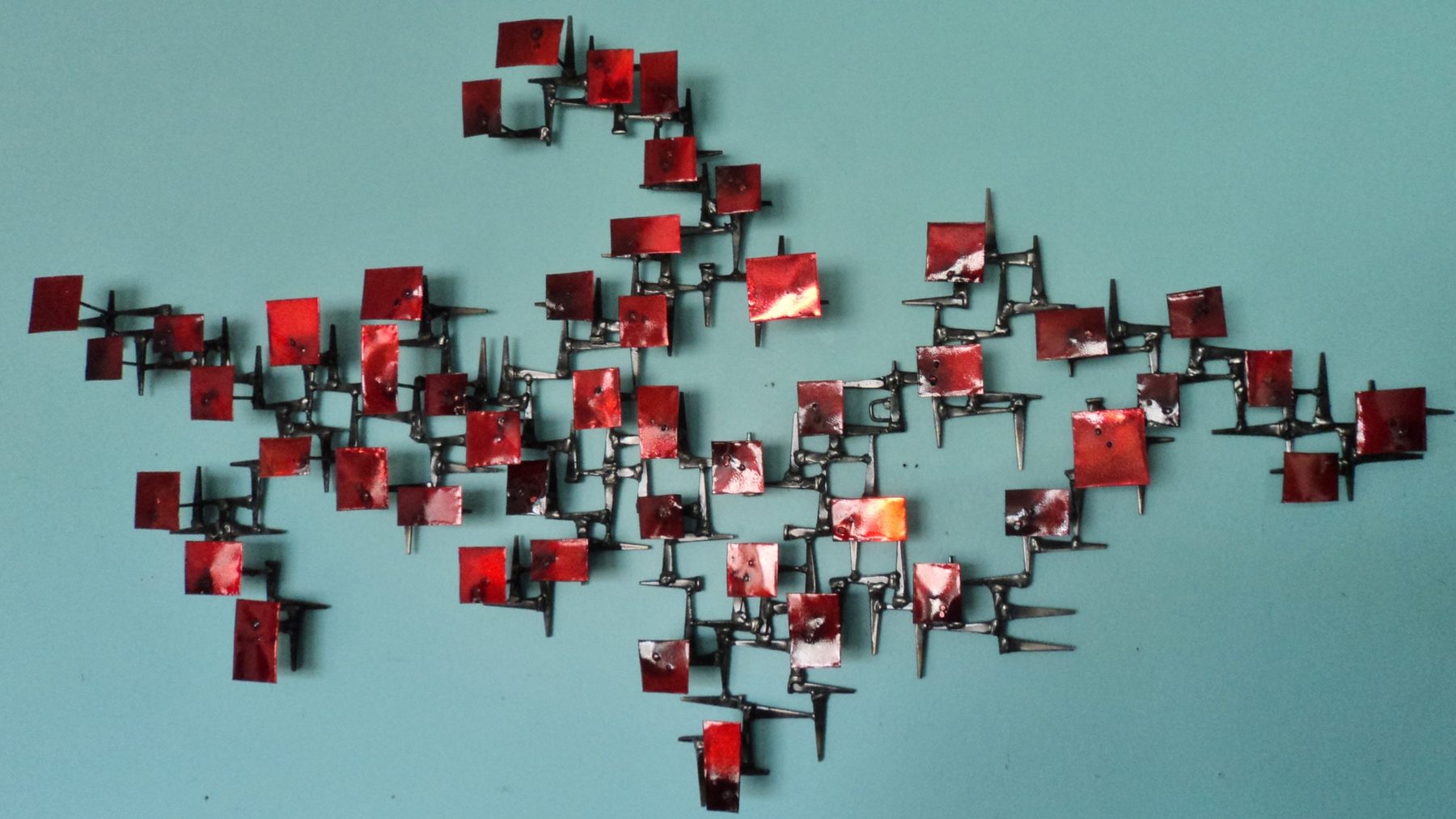
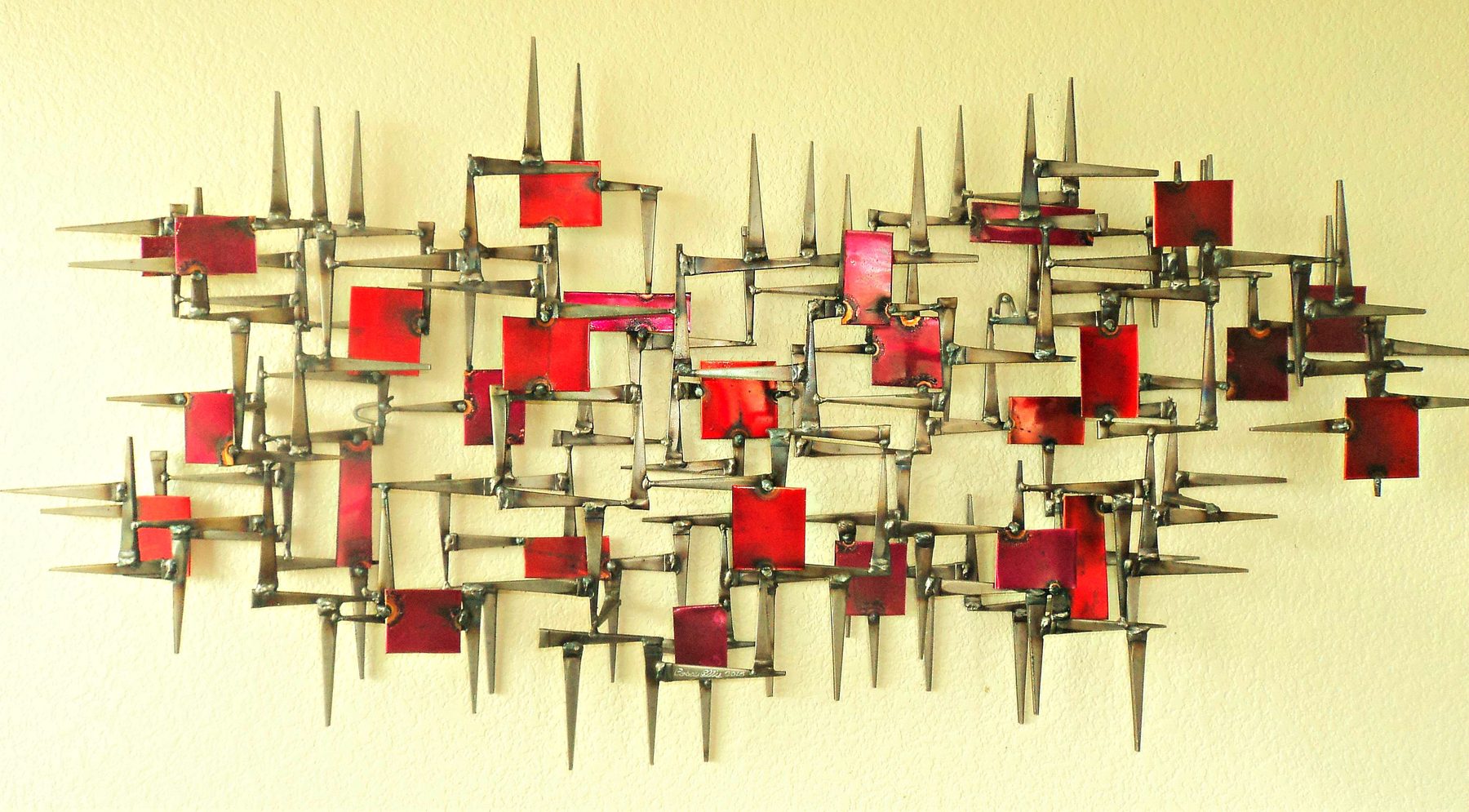
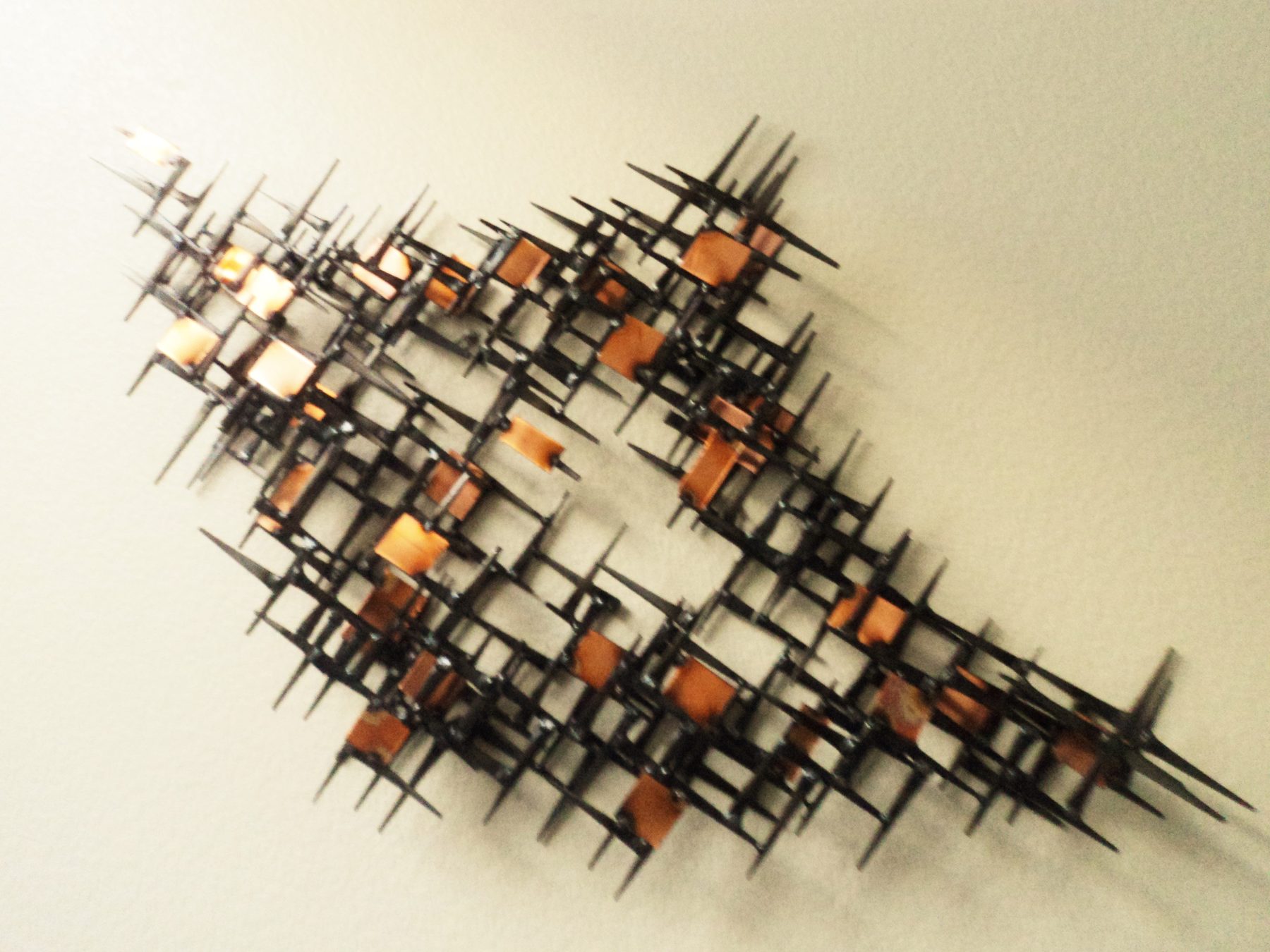
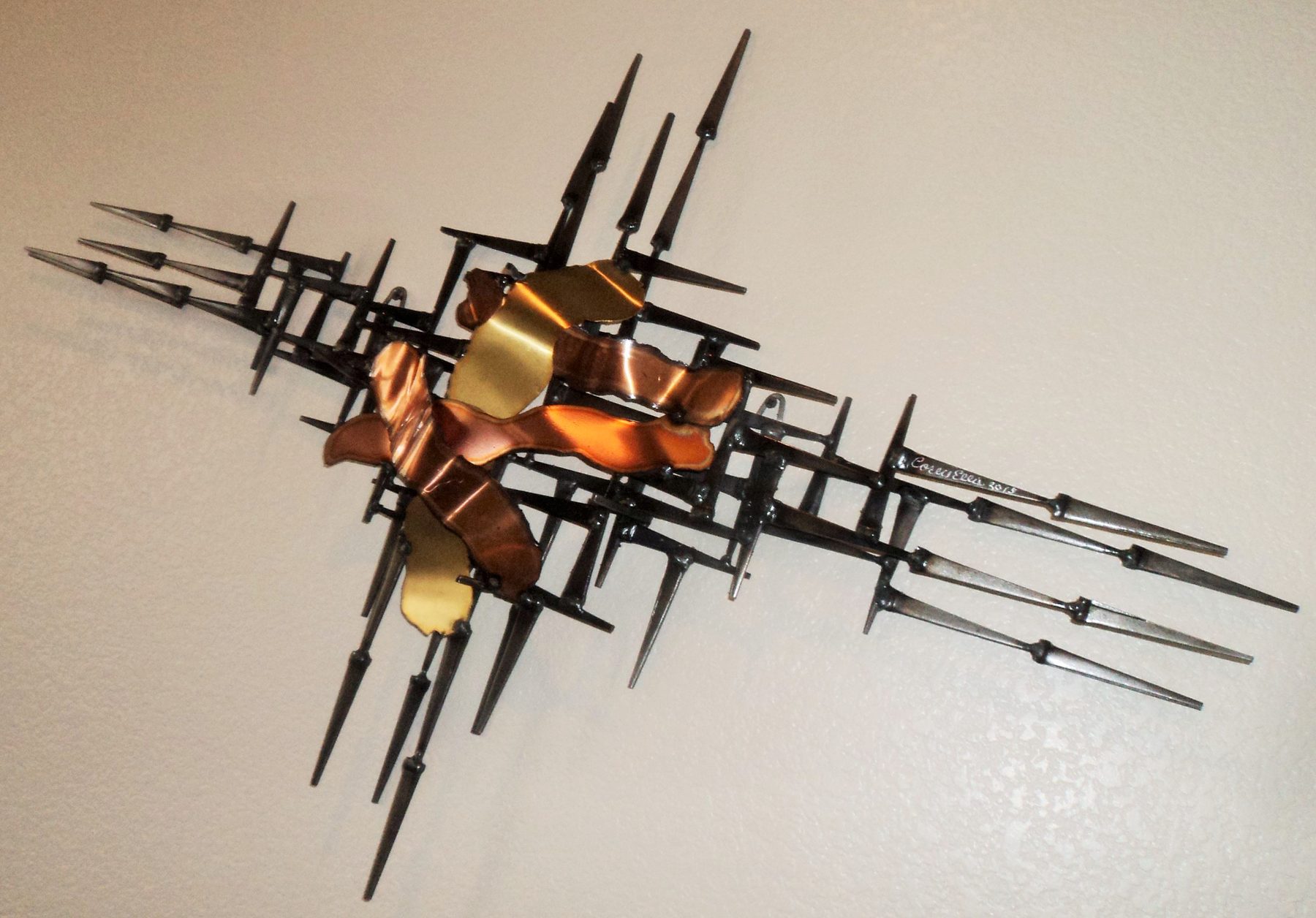
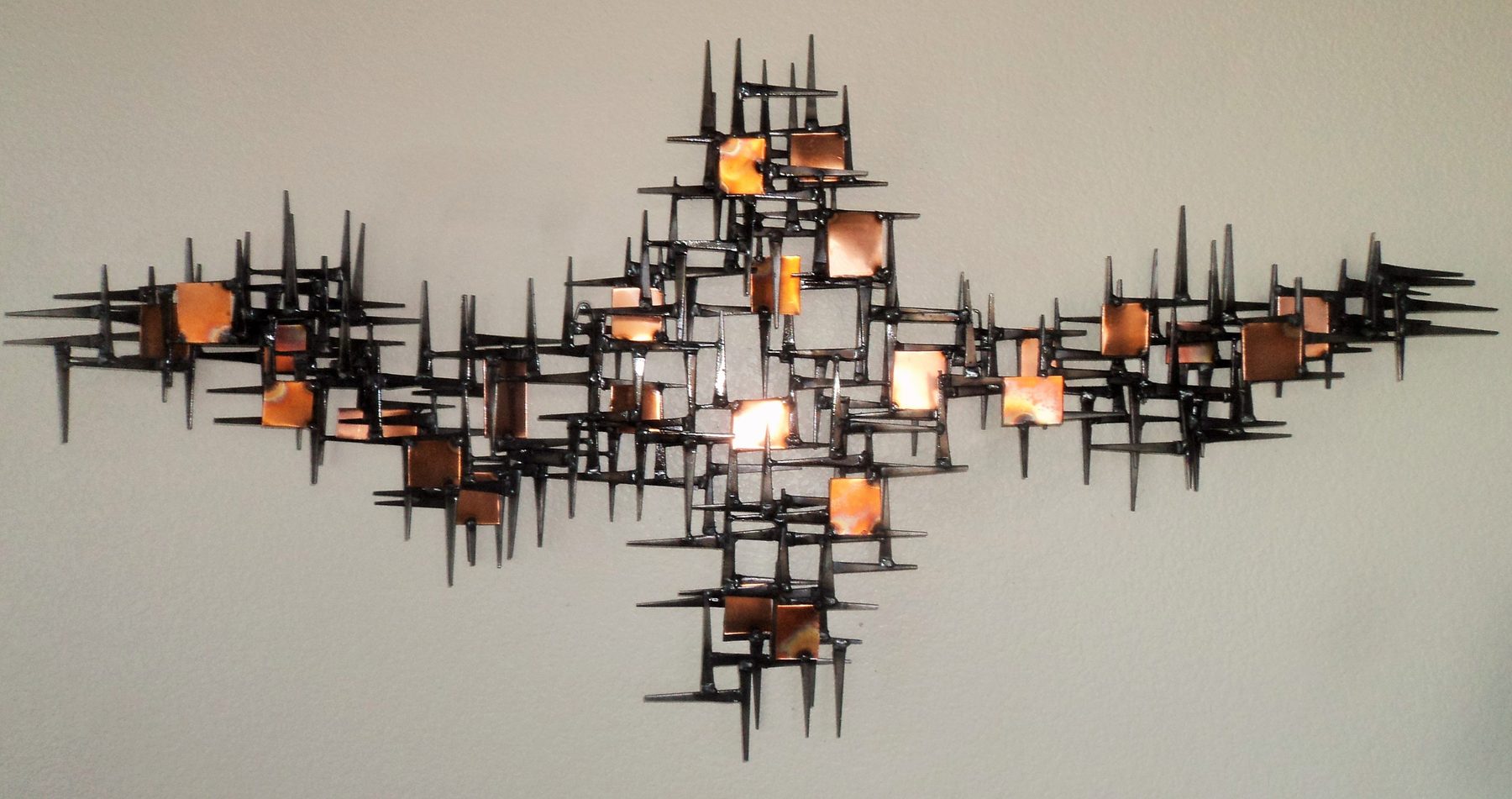
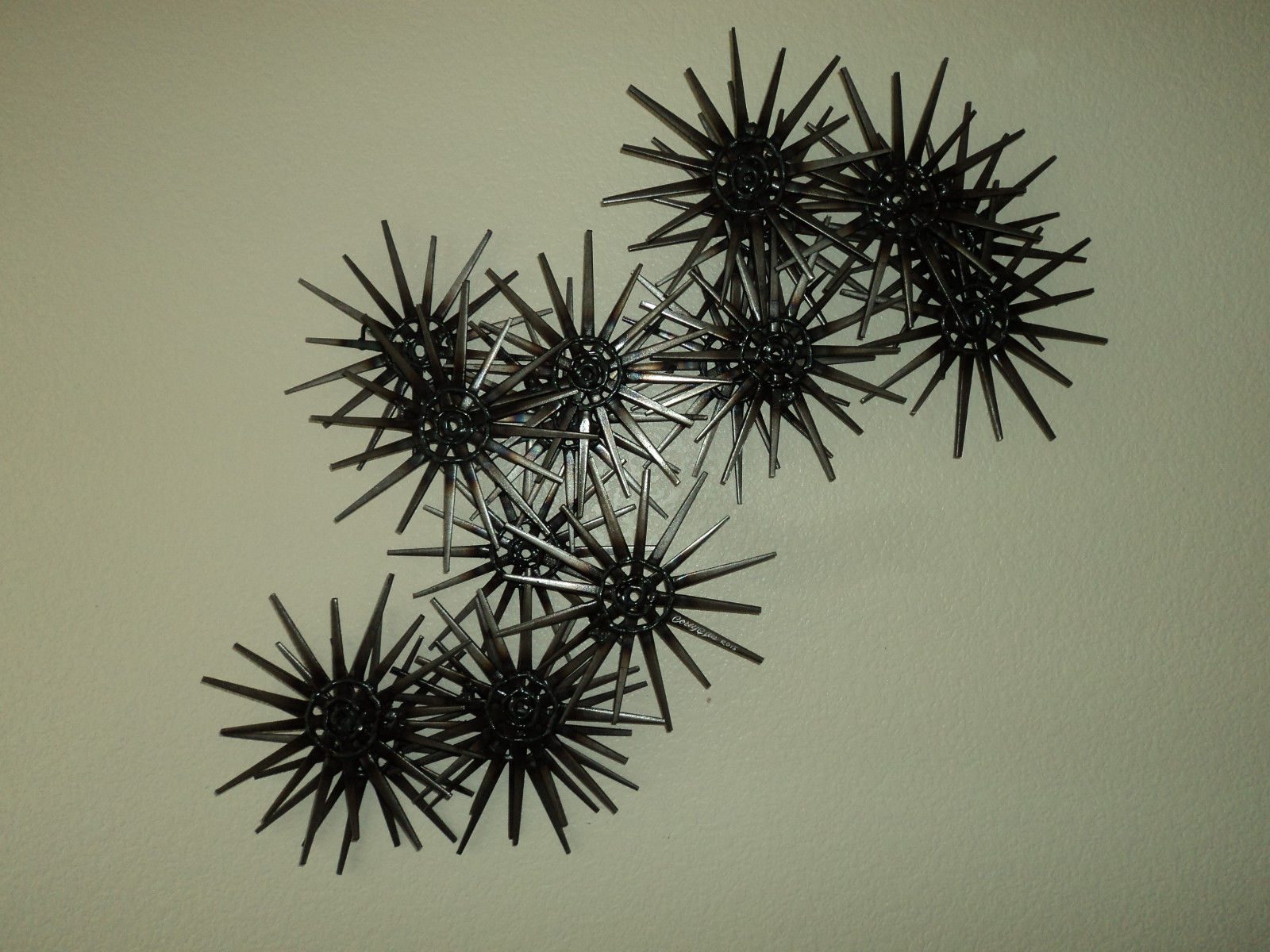
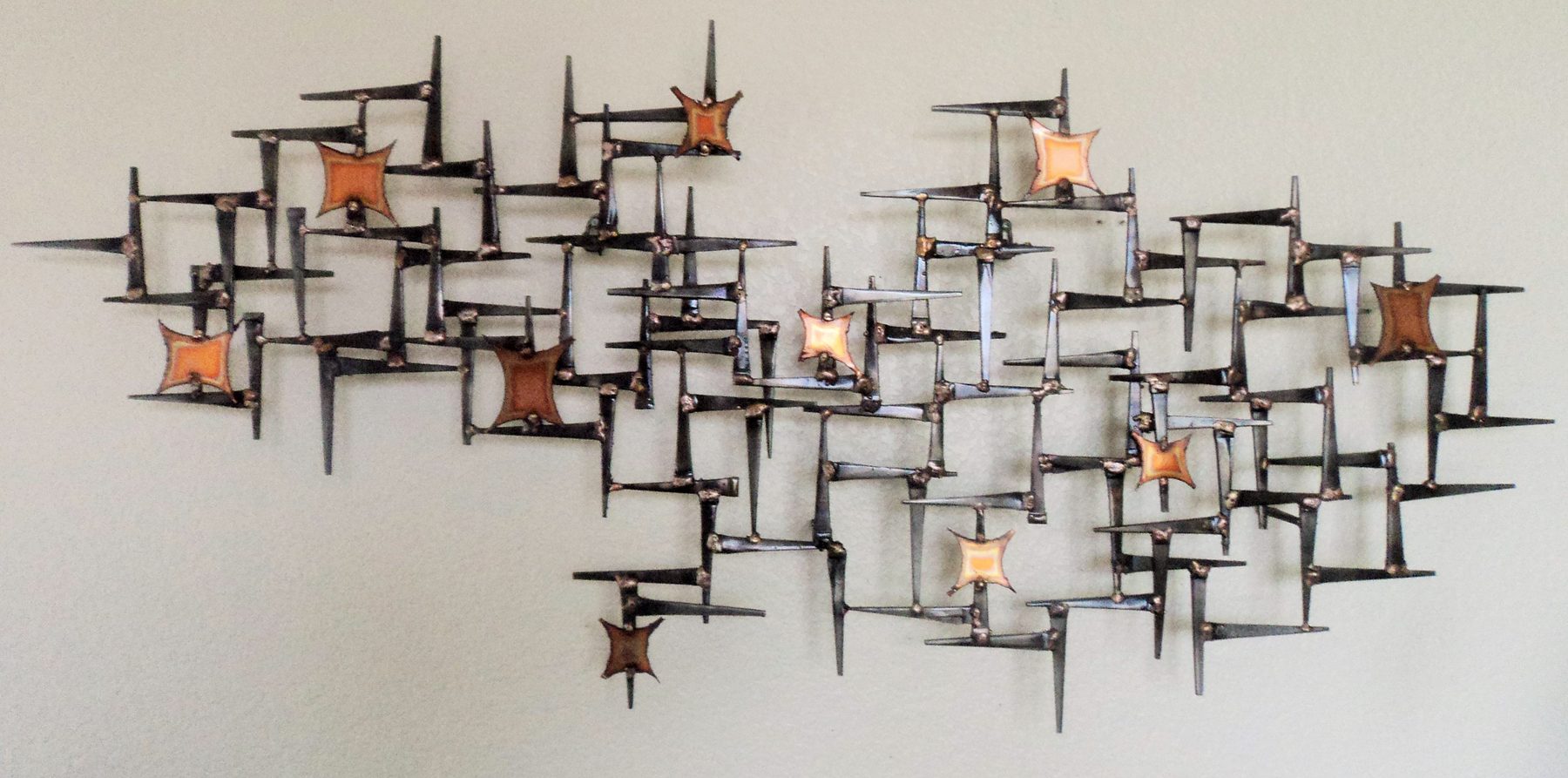
Mid century metal wall art pulls from the silhouette and surface treatments of mid-20th century design - atomic starbursts, brass and blackened steel, sharp lines softened by craft. Corey's MCM sculptures sit comfortably on the credenza of a vintage mid-century interior or anchor a contemporary room that wants the reference without the museum.
What this work is
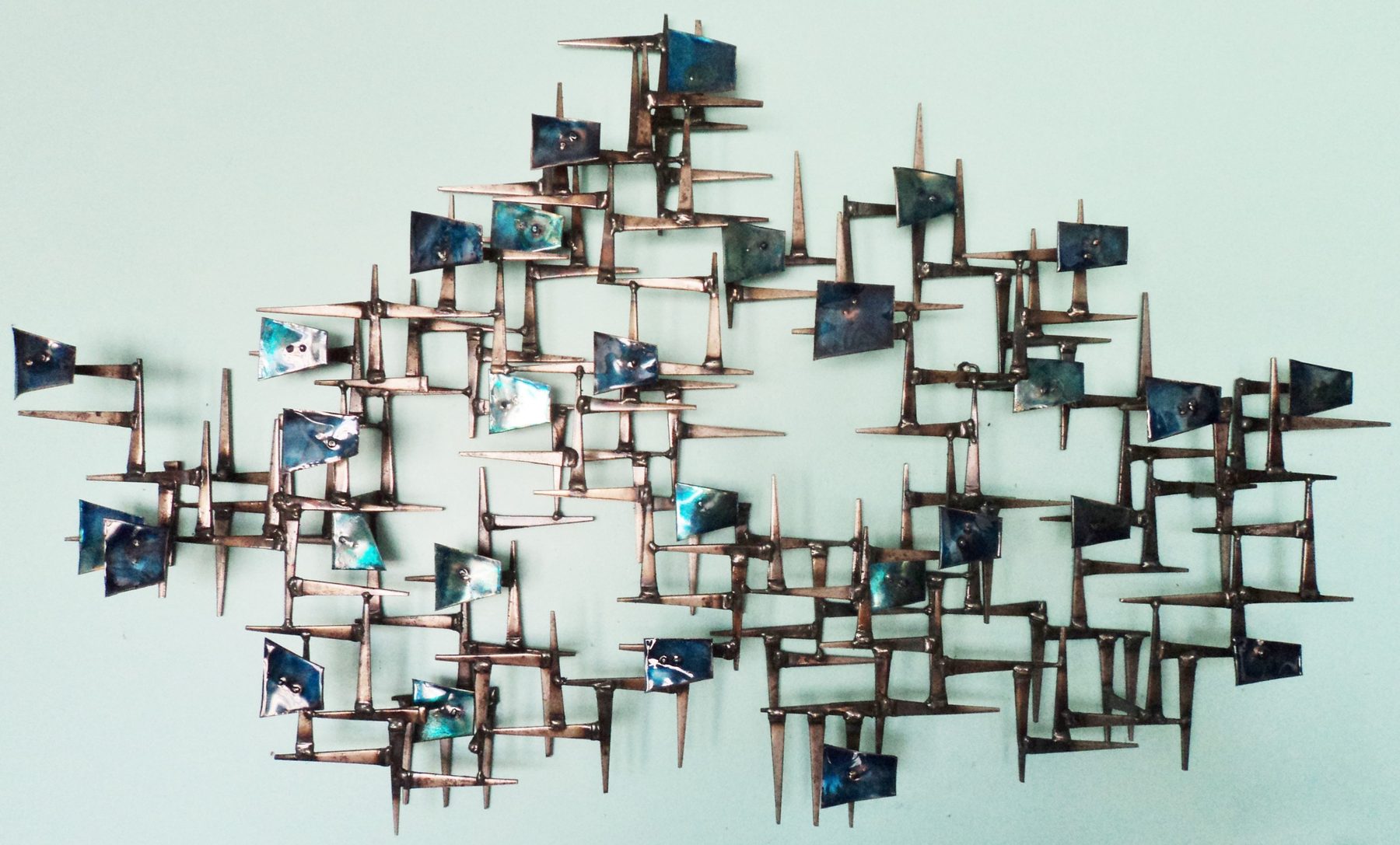
The mid-century pieces in Corey's studio reach back to the work of the era's studio metal masters - the brass starbursts, the curtain pulls reborn as sculpture, the welded surfaces that brought warmth into otherwise clean rooms. Materials lean on brass, copper, blackened steel, and patinated finishes. Forms stay disciplined: balanced silhouettes, no excess.
American studio metal work from the 1950s and 1960s set the vocabulary the studio still draws on - Curtis Jere, Silas Seandel, Bertoia, and the welded brass and copper sculptors who pushed metal off the wall and onto the credenza.
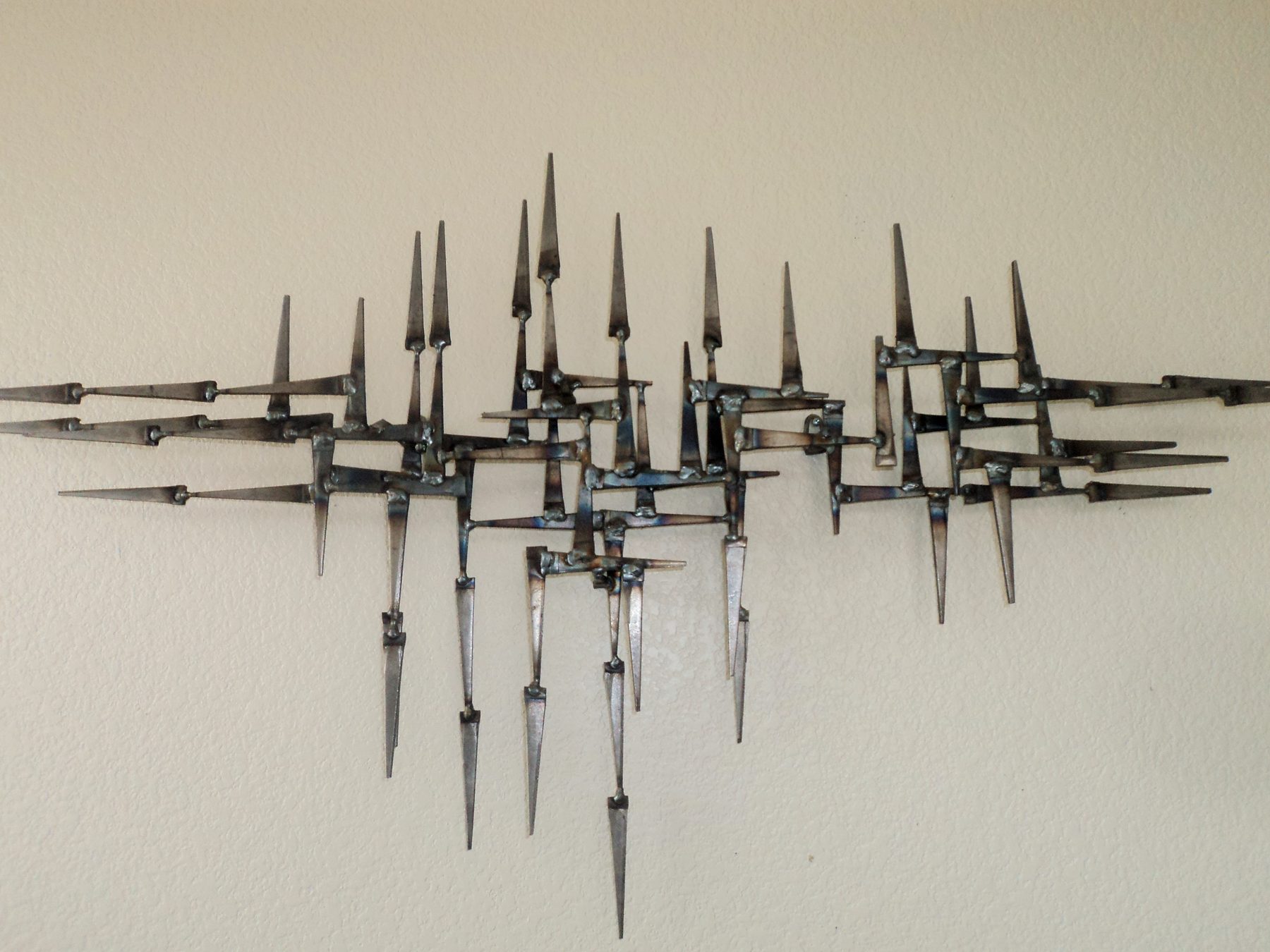
Corey's mid-century pieces are not reproductions. They are original sculptures written in that visual language: balanced silhouette, brass warmth, blackened steel structure, surfaces that feel handled rather than manufactured.
What makes a Corey Ellis piece in this style
- Atomic and starburst silhouettes welded from brass rod and steel.
- Warm brass passages set against blackened steel for contrast.
- Hand-applied patinas that age the surface intentionally.
- Disciplined edge detail - no extra geometry to soften the form.
What the work is built from
Rod, sheet, and cast elements for warm tonal passages and starburst points.
Structural ribs and welded silhouettes that hold the form.
Used selectively for accent and patina depth on layered pieces.
When a piece needs a base or block, hardwoods echo MCM cabinetry.
Who this style is for
- Collectors of mid-century modern furniture and design.
- Interior designers spec'ing into MCM-influenced residential or hospitality projects.
- Homes restoring or building inside a mid-century vocabulary.
- Buyers who want the reference without re-creating a period room.
Spaces this style anchors
- Living rooms anchored by a credenza, low sofa, or vintage MCM seating.
- Dining walls in restored mid-century homes.
- Hospitality bars and lounges leaning into mid-century revival.
- Open stairwells where a starburst piece can read at distance.
From the studio

Sizing, finish, and how to brief the studio
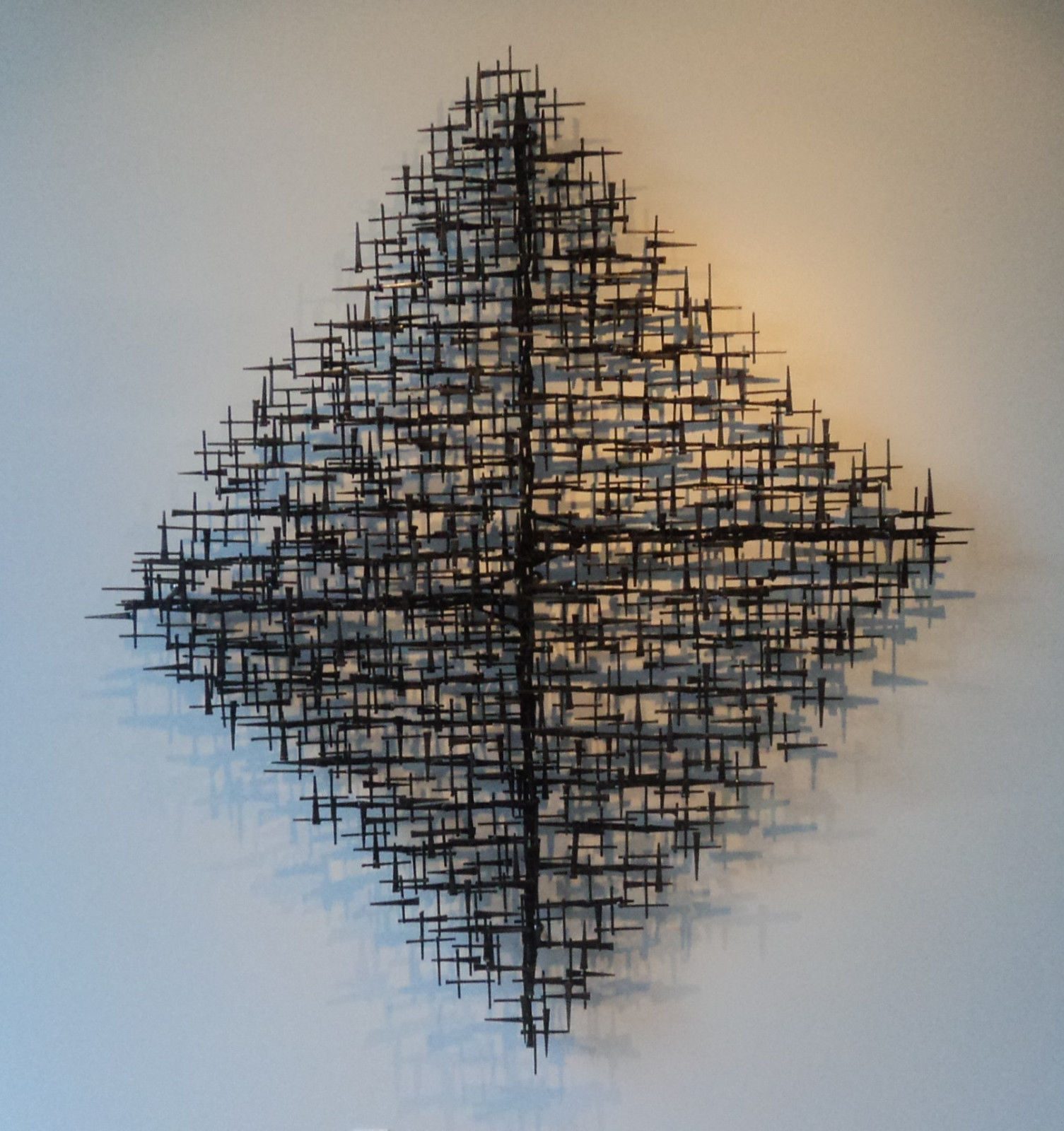
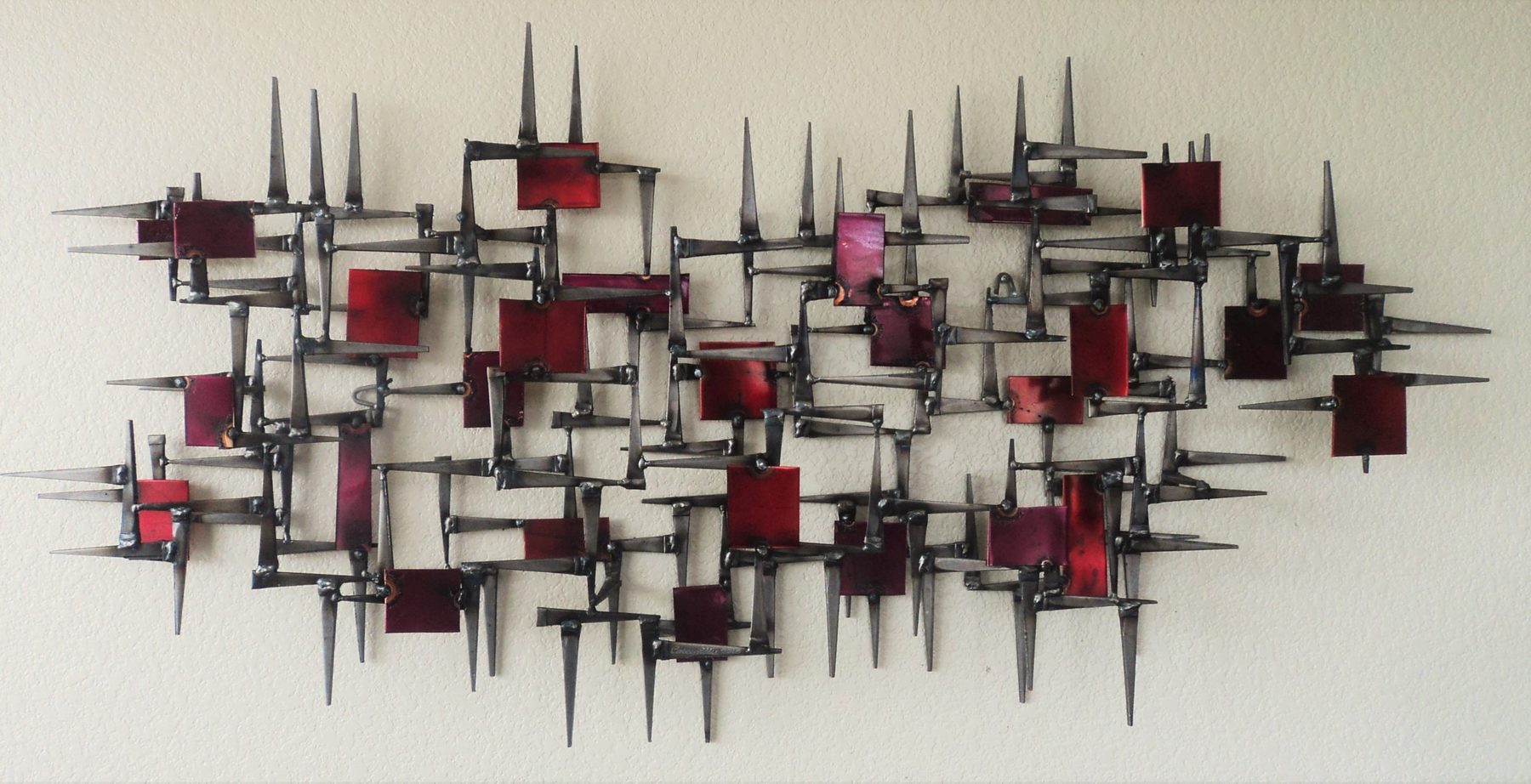
Mid-century pieces are most often commissioned between 24 and 72 inches across, with starburst forms sometimes pushed to architectural scale for double-height rooms. Wall thickness, projection from the wall, and brass-to-steel ratio are decided per project.
Send wall width, ceiling height, the room's existing wood tones, and any reference pieces (Corey's archive or other MCM work). Most mid-century commissions land in writing within a few business days of the first message.
Frequently asked
- What makes a sculpture mid-century?
- Mid-century work draws from the silhouettes, materials, and confidence of mid-20th century design - atomic-era starbursts, brass and blackened steel, clean lines, and pieces meant to live on or above the furniture of that era.
- Do mid-century pieces only fit MCM interiors?
- No. They land well in transitional and contemporary rooms too - the silhouette reads modern even when the rest of the space isn't strictly mid-century.
- What materials does Corey use on mid-century pieces?
- Brass, copper, blackened steel, and patinated mixed metal. Hardware stays minimal so the silhouette carries the piece.
- Can a mid-century commission be sized for a specific wall?
- Yes. Wall pieces, credenza pieces, and starburst panels are all commissioned to dimension. Share the wall width, ceiling height, and adjacent furniture and Corey designs to it.
- Do you ship mid-century sculptures internationally?
- International shipping is quoted per project after dimensions and destination are confirmed. Crating and freight are coordinated case by case.
Related work and pages
Start a Custom Artwork Inquiry
Share dimensions, space, and any imagery that inspires the project. Corey reviews every inquiry personally.